
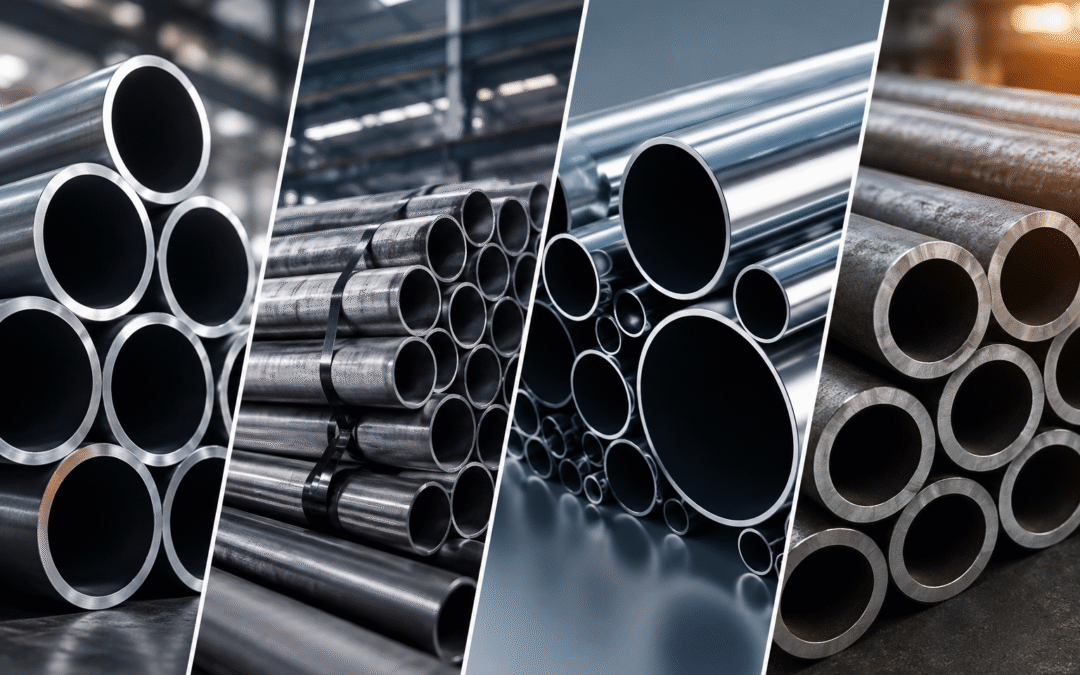
Alloy steel pipes play essential roles in a variety of sectors. It is intended for a wide range of applications and provides increased strength and durability, as well as resistance to extreme temperatures. In this article, we will study the numerous types of alloy steel pipes, their unique qualities, and why they are necessary for diverse purposes.
What is Alloy Steel?
Alloy steel has a variety of elements that have been added to improve its qualities. These elements include chromium, nickel, molybdenum, vanadium, and manganese. By altering the quantities and proportions of these constituents, manufacturers can create steel with specific properties suitable for various applications.
Types of Alloy Steel Pipes
Alloy steel pipes are available in a variety of grades and kinds, each with distinct characteristics.
1. Low-Alloy Steel Pipes
Low-alloy steel pipes are typically produced with less than 5% alloying elements. These elements could include chromium, molybdenum, or vanadium. Adding these components boosts strength and wear and tear resistance, particularly at high temperatures.
Low-alloy steel pipes are used in applications that require high tensile strength but limited corrosion resistance. These pipes offer an excellent balance of cost and performance, particularly in industries such as power generating, chemical processing, and oil refineries.
2. Chromium-Molybdenum Alloy Steel Pipes
Chromium-molybdenum alloy steel pipes, often known as CrMo pipes, contain chromium and molybdenum as the principal alloying elements. These elements improve the hardness, strength, and high temperature resistance of the steel.
CrMo pipes are utilized in applications that demand high pressure tolerance, such as power plants and chemical reactors, since their ability to resist oxidation and corrosion at such high temperatures makes them ideal for handling hot gases and liquids.
3. Stainless Steel Alloy Pipes
Stainless steel alloy pipes are a popular form of alloy steel pipe because they have great corrosion resistance and high strength and contain chromium (often 10-30%). This mixture generates a protective oxide coating on the pipe’s surface, which prevents rusting and corrosion.
SS pipes are employed in a number of industries, including food processing, maritime, and chemical. It has a high corrosion resistance, making it ideal for tough settings such as seawater and acidic conditions.
4. Nickel Alloy Steel Pipes
Nickel alloy steel pipes include a higher amount of nickel in their composition. Nickel is added to improve the steel’s corrosion resistance, particularly in harsh situations such as high pressures, high temperatures, and corrosive chemicals.
Nickel alloy pipes are commonly utilized in aeronautical, petrochemical, and power generating applications. They are also often used in cryogenic applications, where severe temperatures pose a challenge to traditional materials.
5. Alloy Steel Seamless Pipes
These pipes are made by releasing a solid billet of alloy steel and molding it into a hollow tube without welding.
Seamless pipes are commonly utilized in hydraulic systems, high-pressure steam lines, and oil and gas pipelines. Their smooth texture withstands tremendous pressure, making them useful for difficult applications. Alloy Steel P1 Seamless Pipes, P5 Seamless Pipes, and P9 Seamless Pipes are widely used in various sectors.
6. Alloy Steel Welded Pipes
These pipes are frequently employed in low-pressure situations where strength and durability are still vital but less critical than in seamless pipes.
Welded alloy steel pipes are utilized in various industries, including construction, gas transportation, and water treatment. Their lower cost compared to seamless pipes makes them a popular alternative for a wide range of typical applications.
7. Vanadium Alloy Steel Pipes
Vanadium alloys are well-known for their great stress and fatigue resistance.
These pipes are utilized in high-performance applications such as automotive (exhaust systems) and power production, where high temperatures and stress are prevalent.
Grades of Alloy Steel Pipes
Alloy steel pipes available in a variety of grades, each tailored to meet certain performance requirements. Some of the most prevalent grades are:
ASTM A335: This is a standard specification for seamless ferritic alloy steel pipes. It is utilized in high-temperature applications, particularly in the power and petrochemical sectors.
ASTM A519: This grade is utilized for seamless mechanical tube in precision applications such as manufacturing machines and automobile components.
ASTM A213: This specification applies to seamless ferritic and austenitic alloy-steel boiler, superheater, and heat exchanger tubes.
ASTM A387: This is a pressure vessel-grade alloy steel that is suited for use in high-temperature applications such as steam boilers.
Each grade is designed to provide certain mechanical attributes including tensile strength, hardness, and resistance to heat, corrosion, and wear.
Why Choose Alloy Steel Pipes?
There are various reasons why alloy steel pipes are frequently chosen over other materials. Here are some significant benefits:
Alloy steel pipes are stronger than carbon steel and can withstand high pressure and temperatures, making them ideal for demanding applications.
Corrosion Resistance: Certain alloy steels, such as stainless steel and nickel alloys, have better corrosion resistance, which is critical in industries such as petrochemicals, maritime, and food processing.
Versatility: With a wide range of alloys and grades available, alloy steel pipes may be adapted to specific purposes, providing flexibility across industries.
Cost-Effectiveness: While alloy steel pipes are more expensive upfront than other materials, their longevity and performance result in long-term cost benefits by lowering maintenance and replacement expenses.
Conclusion
Alloy steel pipes are an important material in many industries due to its higher strength, resistance to wear, and ability to bear extreme temperatures. Understanding the many types of alloy steel pipes—including low-alloy steel, chromium-molybdenum, stainless steel, nickel alloy, seamless, welded, and vanadium alloys—can assist industries in making the best decision for their applications.
With so many grades available, selecting the right alloy steel pipe offers better performance, dependability, and lifetime in crucial systems. Whether you’re working with high-pressure steam systems, chemical processing plants, or precision mechanical equipment, alloy steel pipes have the strength and durability to complete the job.
