
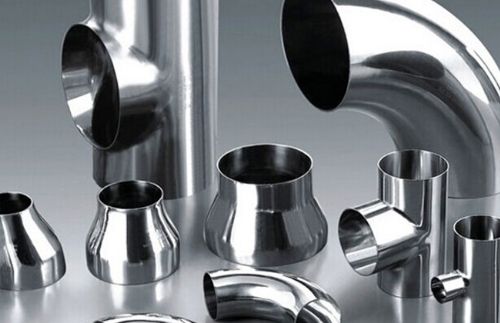
Incoloy 825 acts as a nickel-iron-chromium alloy due to its remarkable resistance to a wide range of corrosive conditions. This material’s unique chemical makeup gives remarkable mechanical qualities, which is why numerous industries employ it in their applications. This blog looks deeply into Incoloy 825’s chemical composition, material qualities, corrosion resistance, uses, and comparative benefits.
What is Incoloy 825?
The nickel-iron-chromium austenitic alloy Incoloy 825 has significant amounts of molybdenum, copper, and titanium. This material was developed to resist oxidizing and reducing conditions while also providing excellent corrosion protection in sulfuric and phosphoric acid solutions. The alloy’s harmonious condition is the result of its stable operational properties, which remain consistent across temperature ranges and operational situations.
Complete Chemical Composition of Incoloy 825
Incoloy 825 undergoes thorough chemical composition engineering by development teams seeking to lead corrosion defense with improved mechanical qualities. Here’s a thorough breakdown:
Nickel (Ni): 38.0 to 46.0%
Iron (Fe): Minimum of 22.0% (roughly 33%)
Chromium (Cr): 19–23.5 percent
Molybdenum (Mo): 2.5 to 3.5%
Copper (Cu): 1.5 to 3.0%
Titanium (Ti): 0.6 to 1.2%
Manganese (Mn): 1.0% maximum.
Carbon (C): 0.05% maximum.
Silicon (Si): 0.5% maximum.
Sulfur (S): 0.03% maximum.
Aluminum (Al): 0.2% maximum.
Nickel Content and its Role
Nickel is the major element in Incoloy 825, accounting for 46% of the material’s composition. The high nickel concentration of Incoloy 825 provides remarkable resistance to chloride-ion stress-corrosion cracking, which frequently destroys industrial materials. Nickel improves the alloy’s stability and toughness qualities, allowing it to withstand rigorous operational circumstances efficiently.
Chromium for Oxidation Resistance.
The chromium concentration of Incoloy 825 ranges between 19.5% and 23.5%, which contributes to its resistance to oxidizing chemicals. This element causes Incoloy 825 to create a protective passive oxide layer on its surface, which protects the alloy from different corrosion and oxidation problems, particularly in acidic situations.
Molybdenum for Corrosion Resistance.
When molybdenum levels range between 2.5% and 3.5%, the alloy exhibits improved resistance to pitting and crevice corrosion. Molybdenum exhibits remarkable corrosion resistance in reducing conditions, protecting solutions containing sulfuric and phosphoric acid.
Incoloy 825 includes iron, copper, and other elements.
The alloy structure is dependent on iron because it serves as the primary structural element. Because the alloy contains 1.5% to 3.0% copper, its resistance to sulfuric acid and other reducing agents increases. Titanium additives to the alloy protect the material from intergranular corrosion, which benefits welding procedures and their aftermath. Precision quality control of trace elements manganese, carbon, silicon, sulfur, and aluminum ensures manufacturing stability and alloy goal properties.
Incoloy 825 material properties: strength, hardness, and ductility.
Incoloy 825 has a set of mechanical qualities that make it suitable for use in difficult applications.
Mechanical Strength and Toughness
Because of its high tensile and yield strength values, Incoloy 825 preserves structural integrity even under high stress conditions. The material is very resistant to mechanical stresses, allowing it to withstand breaking under severe loads.
Thermal conductivity and heat resistance
Incoloy 825’s mechanical qualities remain suitable in applications with temperatures below 1000°F (538°C). In industrial heat transfer processes, the material’s thermal conductivity allows it to efficiently transport heat.
Density and Hardness of Incoloy 825
The material density of this alloy is 8.14 g/cm³. The material strength level prevents the material from wearing out and becoming distorted in hostile environments, allowing for a longer service life.
Corrosion Resistance and Environmental Performance
Incoloy 825’s key strength is its exceptional resistance to a wide range of corrosive chemicals. The material is highly resistant to general corrosion, pitting, crevice corrosion, intergranular corrosion, and stress-corrosion cracking. The material is particularly valuable in industries that routinely deal with hostile chemical conditions.
Applications of Incoloy 825 in Different Industries
Incoloy 825 exhibits a number of attractive qualities, making it a popular material in a variety of industries.
Oil and Gas Pipelines
The oil and gas sector employs Incoloy 825 to manufacture downhole tubing, casing, and wellhead components. The material remains durable in harsh extraction circumstances due to its resistance to stress-corrosion cracking and pitting.
Chemical and Power Plants
Incoloy 825 is used in chemical processing equipment such as acid production and pickling due to its outstanding performance in hostile chemical conditions. The alloy is used in power generation equipment for nuclear fuel reprocessing and radioactive waste disposal.
Aerospace & Marine Engineering
Incoloy 825’s resistance to seawater corrosion makes it suitable for use in marine systems such as seawater-cooled heat exchangers, offshore pipe systems, and marine exhaust systems. The aerospace sector benefits from Incoloy 825 because it has exceptional high-temperature stability and corrosion resistance qualities for specific components.
Incoloy 825 Pipe: Features and Benefits
Incoloy 825 pipes have a good reputation for producing excellent outcomes in extreme corrosive environments. The primary characteristics and advantages of Incoloy 825 are:
Corrosion Resistance: The material is very resistant to oxidizing and reducing acids, allowing it to successfully handle sulfuric and phosphoric acids.
High-Temperature Strength: The material maintains its mechanical strength properties throughout high-temperature operations, making it suitable for heat exchanger and processing equipment applications.
Versatility: Incoloy 825 pipes are available in seamless welded and fabricated forms, making them suitable for a wide range of industrial applications.
Incoloy 825 pipes’ mix of qualities makes them an excellent choice for industrial applications that require long-lasting corrosion-resistant piping systems.
How Does Incoloy 825 Compare to Other Nickel-Based Alloys
Incoloy 825’s unique combination of characteristics distinguishes it from other nickel-based alloys during testing.
Compared to Inconel alloys, Incoloy 825 has higher corrosion resistance and mechanical qualities in both high-temperature and aqueous situations.
Versus Hastelloy Alloys: Hastelloy’s corrosion-resistant characteristics excel, particularly while operating in hostile environments. The cheaper cost of Incoloy 825, combined with its adequate corrosion protection qualities, accessible market, and simple fabrication procedures, makes it an appealing solution for a variety of applications.
Incoloy 825’s features allow it to be used as a low-cost material option for a wide range of industrial applications.
Advantages and Limitations of Alloy 825
Advantages
Comprehensive Corrosion Resistance: This material effectively repels corrosive agents such as acids and seawater, as well as a variety of other corrosives.
Thermal stability: Maintains mechanical qualities across a wide temperature range.
Fabrication Ease: This material can be easily welded and processed using standard fabrication procedures.
Limitations
Cost Consideration: Although Incoloy 825 has higher material costs than certain stainless steels, the improved performance justifies the price difference.
Not Suitable for Extreme Conditions: Specialized alloys classified as certain grades of Hastelloy become ideal for conditions including both intense heat exposure and highly corrosive chemical solutions.
Conclusion: Why Use Incoloy 825 for Your Applications?
Incoloy 825 provides excellent corrosion protection as well as great mechanical power and heat resistance, making it the ideal material for demanding industrial applications. Because it is simple to make while keeping good performance qualities, the material is extremely adaptable to a wide range of applications. The use of Incoloy 825 allows companies to achieve dependable operation, increased longevity, and higher performance in their critical processes.
Choose Newzel Industries for your Incoloy 825 requirements. Contact us today to understand how our high-quality Incoloy 825 products may enhance your operations and deliver long-term, dependable performance.
